Launching a new project
Explain who it is for and why people should choose it. We develop positioning, a launch concept and materials for the first campaign.
01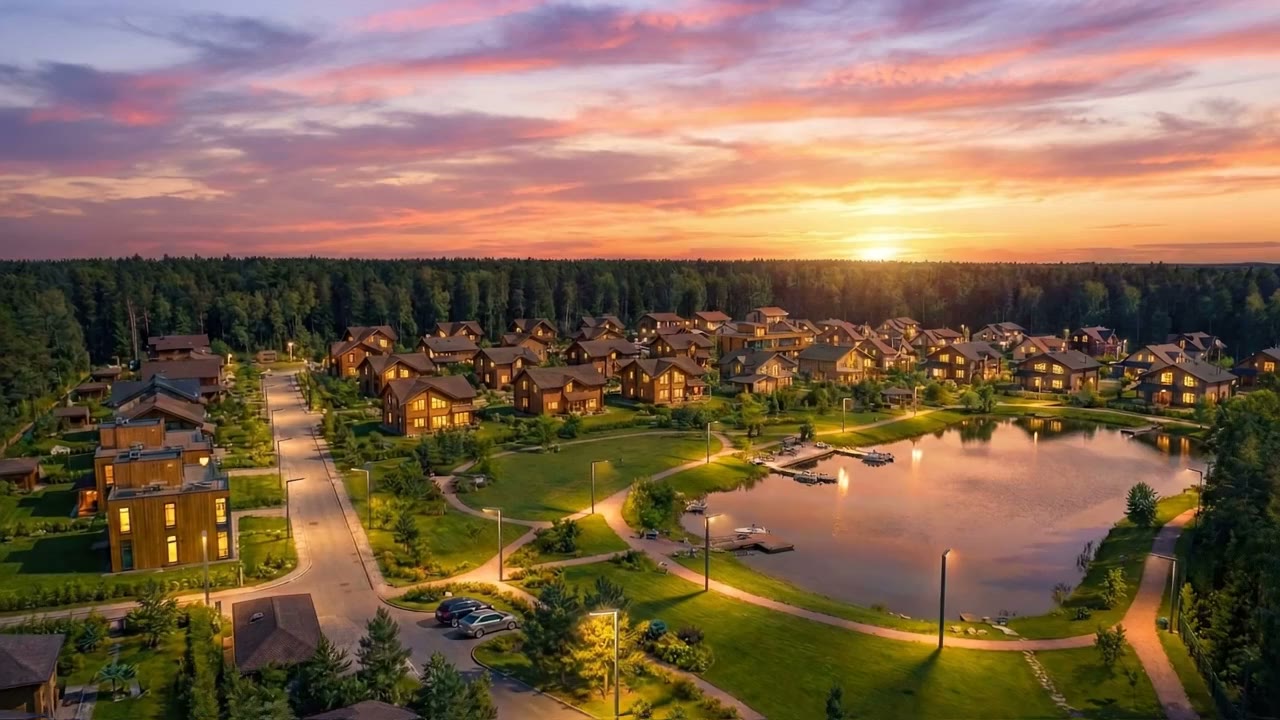
We find why a buyer or guest should choose your place — and turn its real strengths into positioning, a campaign idea and ready-to-use material: texts, images and graphics for your website, ads, newsletters and print.
Launching a new project · Looking like the neighbours · Promoting a hotel or resort · Finding a strong campaign idea
Explain who it is for and why people should choose it. We develop positioning, a launch concept and materials for the first campaign.
01Buyers see similar promises and compare prices. We find real differences and bring them into advertising, your website and sales materials.
02Give guests a compelling reason to visit you for a weekend, a weekday stay or the quieter season. We build an offer and campaign for a chosen audience.
03Your marketing team is in place, but a new phase, season or offer needs its own approach. We develop a concept and visual materials the team can use.
04Situation
Open your website and those of your three closest competitors. If they share the same promises and similar images, buyers struggle to see why they should pay you.
We look for advantages that can be substantiated: the place, architecture, infrastructure and ways of living or staying. Then we turn them into clear arguments and a visual direction.
Price, purchase terms, product quality and the sales team still matter. Our role is to make the project’s value visible and help your team explain it convincingly.
Independent analyses of public projects, not BrainMadeLab client work. Their difficulties have different causes, including economics, financing, infrastructure and management decisions. Here we examine the connection between a project’s promise and people’s experience. Images are original illustrations, not documentary photographs.
Architecture can be striking, an idea ambitious and investment enormous. But what does a person actually get, and what life can they have here? These projects reveal gaps between a promise, the design of a place and its use. We look at positioning: what people were promised and how well the place supported it.
Mudurnu, Türkiye
Burj Al Babas was planned as 732 miniature castle villas near Mudurnu. In January 2019, The Guardian described 587 built structures, halted construction and investors withdrawing. An architectural shell is not a finished home or an established community. The report connected the difficulties with the economic crisis and the developer’s problems. This describes the launch period, rather than claiming a current status.
French châteaux in Anatolia — architecture with no relationship to the place. And 732 identical clones packed side by side is the opposite of what a wealthy buyer is buying.
Tianjin, China
Yujiapu is a financial district in Tianjin. APEC’s 2014 report describes plans for a low-carbon business district and green supply chains. Footage made by Karl Lemieux and BJ Nilsen in winter 2015 documented a sparsely occupied cityscape during construction. Investment figures and unfinished-building counts for neighbouring Xiangluo Bay are not attributed to Yujiapu here.
Manhattan is not a skyline. It is two hundred years of money, connections and habits. They copied the shape, and nothing came with it.
Abu Dhabi, UAE
Masdar City launched in 2006 as an experiment in sustainable urban development. Its original model envisaged a larger scale and faster delivery. A 2025 LSE study describes about 5,000 residents, over 10,000 jobs and a shift from zero-carbon rhetoric to low-carbon development. The project continues to develop: this is an evolving promise, rather than a completed abandoned city.
There was a legend, and a very loud one. The place could not keep it — and the promise turned into a bill that gets presented again every year.
Baodi, China
A September 2013 South China Morning Post report described Jing Jin City as about 3,000 villas between Beijing and Tianjin. One resident estimated that eight to ten houses in his area of roughly 400 villas were occupied in autumn and winter. This is one person’s observation at a particular time, not a census or evidence that the entire development was empty.
What was sold here was an asset, not a life. An asset can be bought and never visited — and then the place is given no reason to become a place.
Guadalajara, Spain
Valdeluz was developed beside a high-speed railway station near Guadalajara. The property crisis slowed its early development. In a 2025 Reuters report, the mayor described a population of about 6,000 and an influx from Madrid. Its story includes recovering demand; today’s town cannot be described solely through its difficult launch.
The concept was never tested against reality. They were selling a future that did not arrive.
Shenyang, China
AFP reported in July 2023 that Greenland Group began State Guest Mansions outside Shenyang in 2010. Plans included 260 European-style villas and facilities for provincial government visitors. Construction stopped about two years later. In 2023, farmers were using land among the unfinished structures for cattle and crops. The report does not establish one proven cause of the halt.
French mansions in Manchuria, built not for the people who live there but for the people who visit. The place itself took no part in the project.
What counts as a place
The method is not about a real-estate genre. It is about a place the buyer has to imagine before they ever stand in it. Whether you sell that place by the square metre or by the night, the legend answers the same question: why here, and not the project next door at the same price.
This is not a list of real-estate genres, and not a menu of services. It is a list of places somebody has to imagine before they see them — and choose before they compare on price.

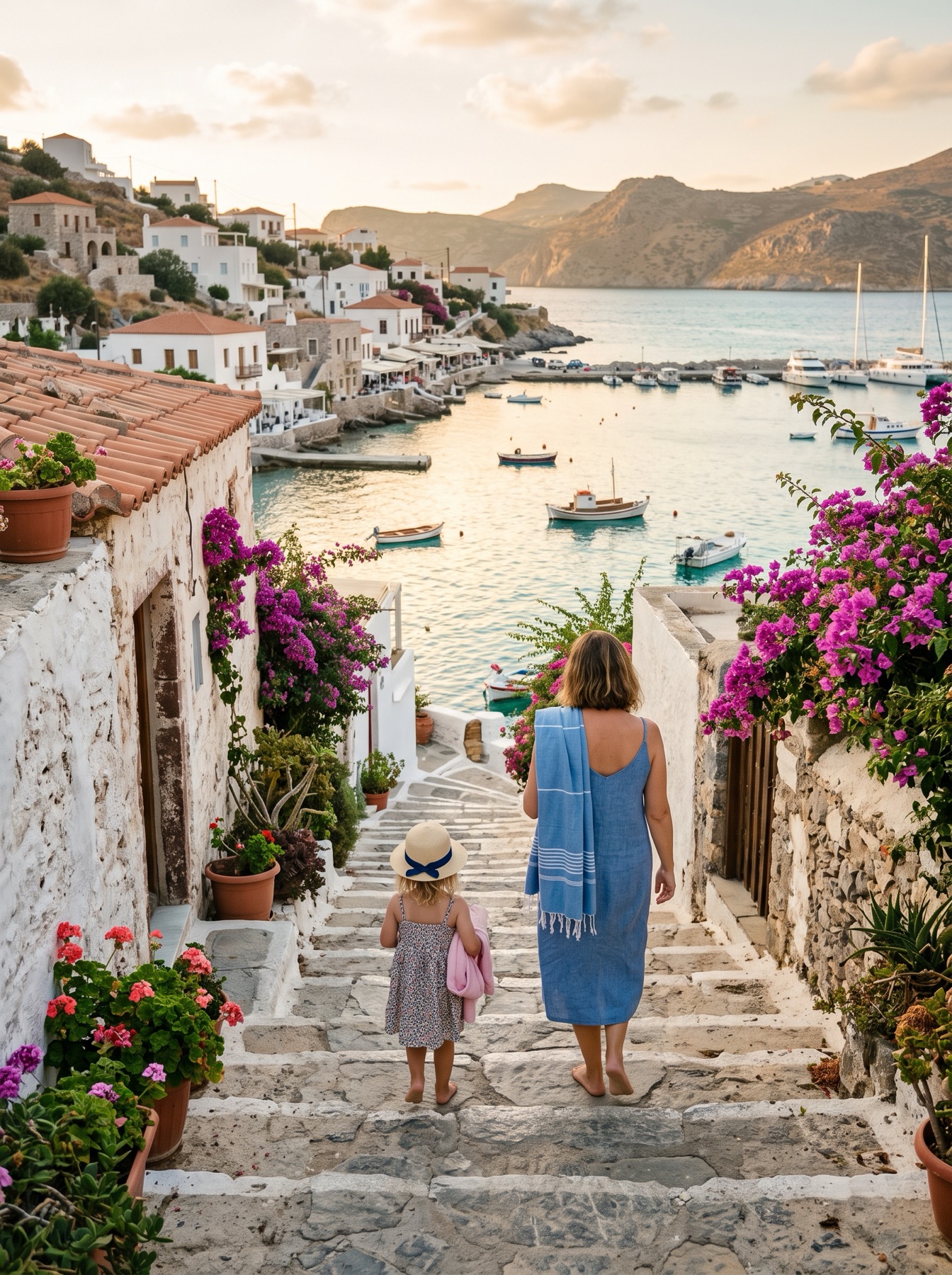
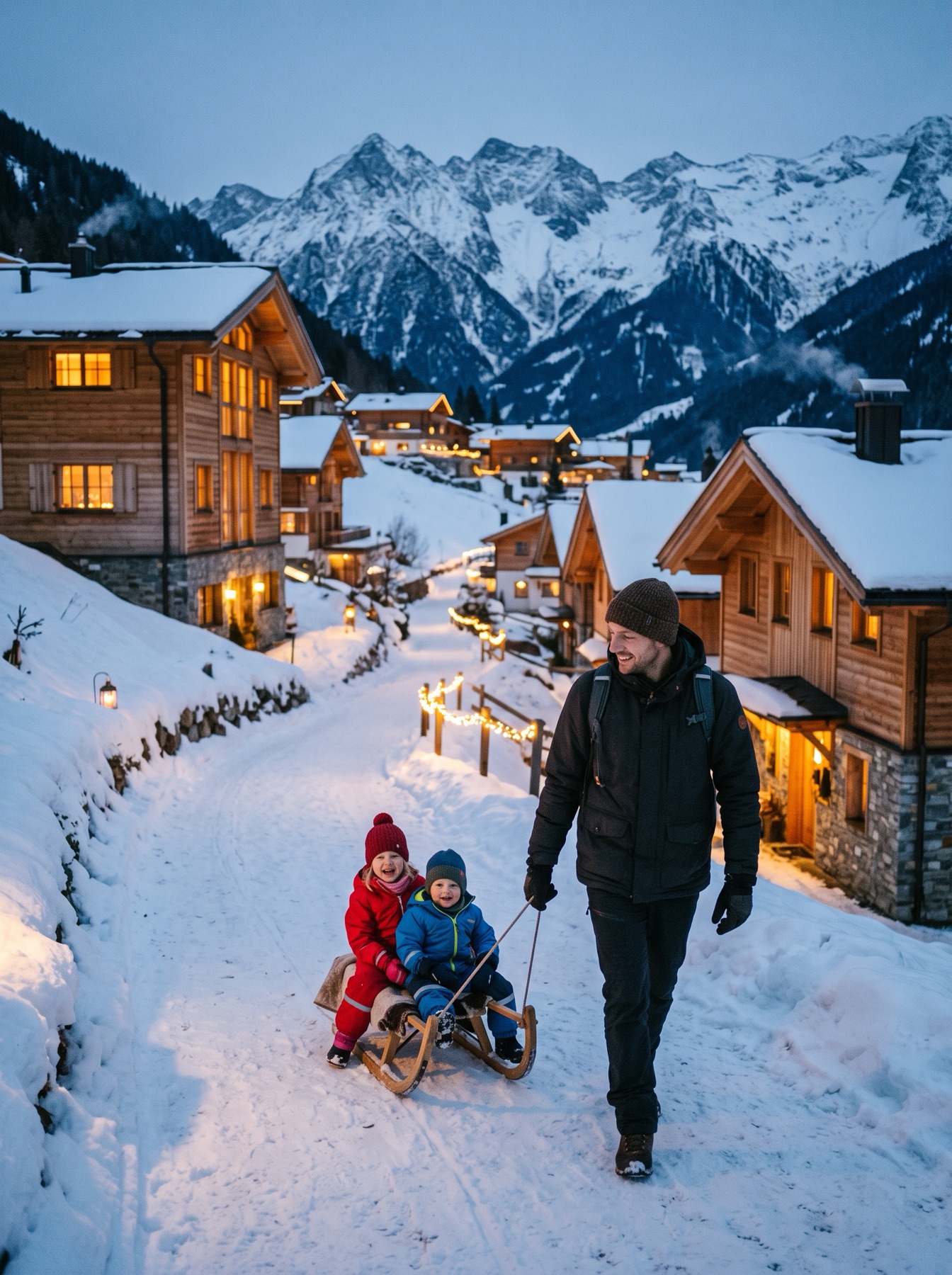
For a residential project, we articulate a reason to choose this apartment, house or community. For a hotel, a reason to visit, book and return. The result goes where decisions happen: advertising, your website, presentations and conversations with your team.
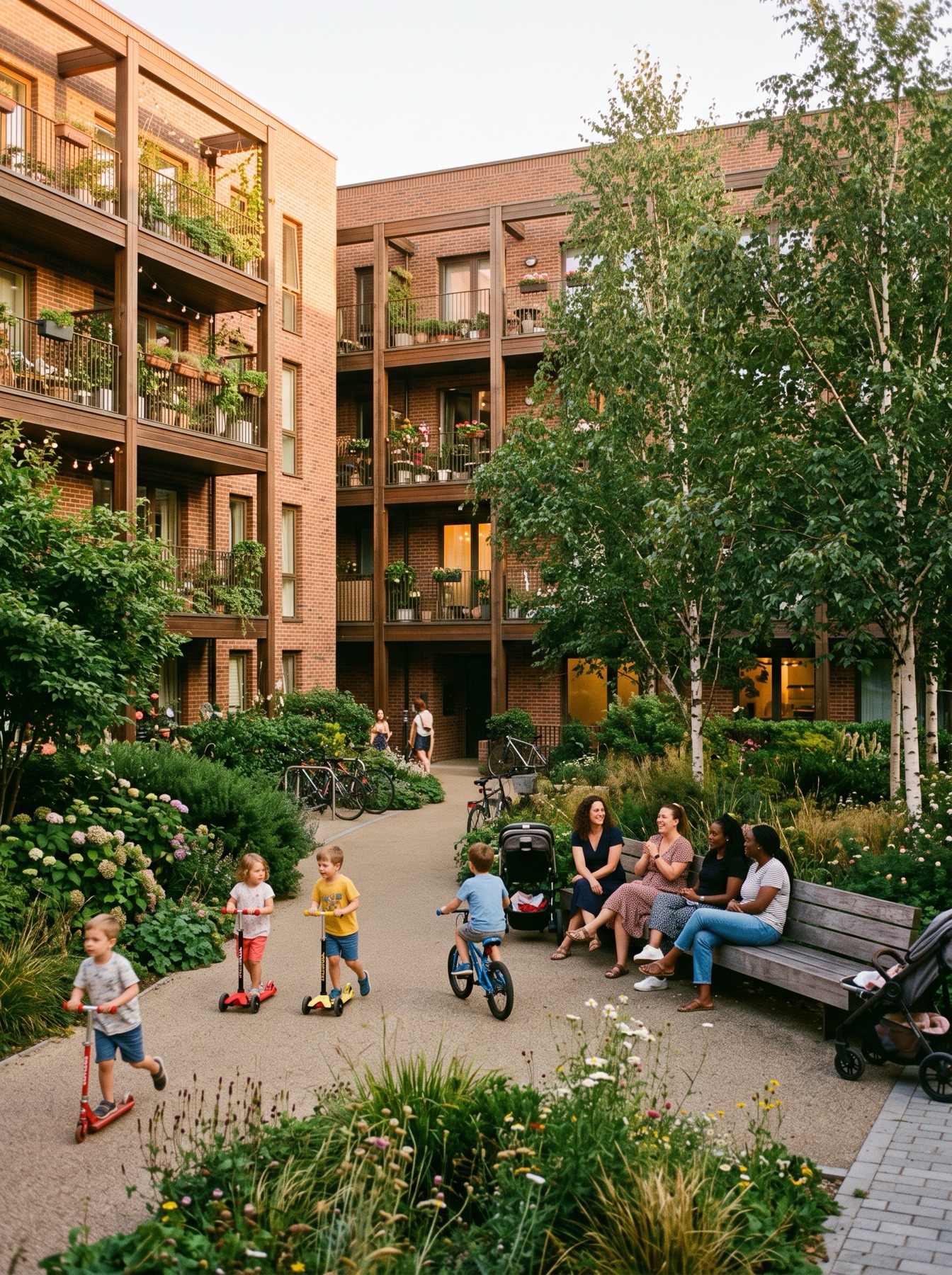
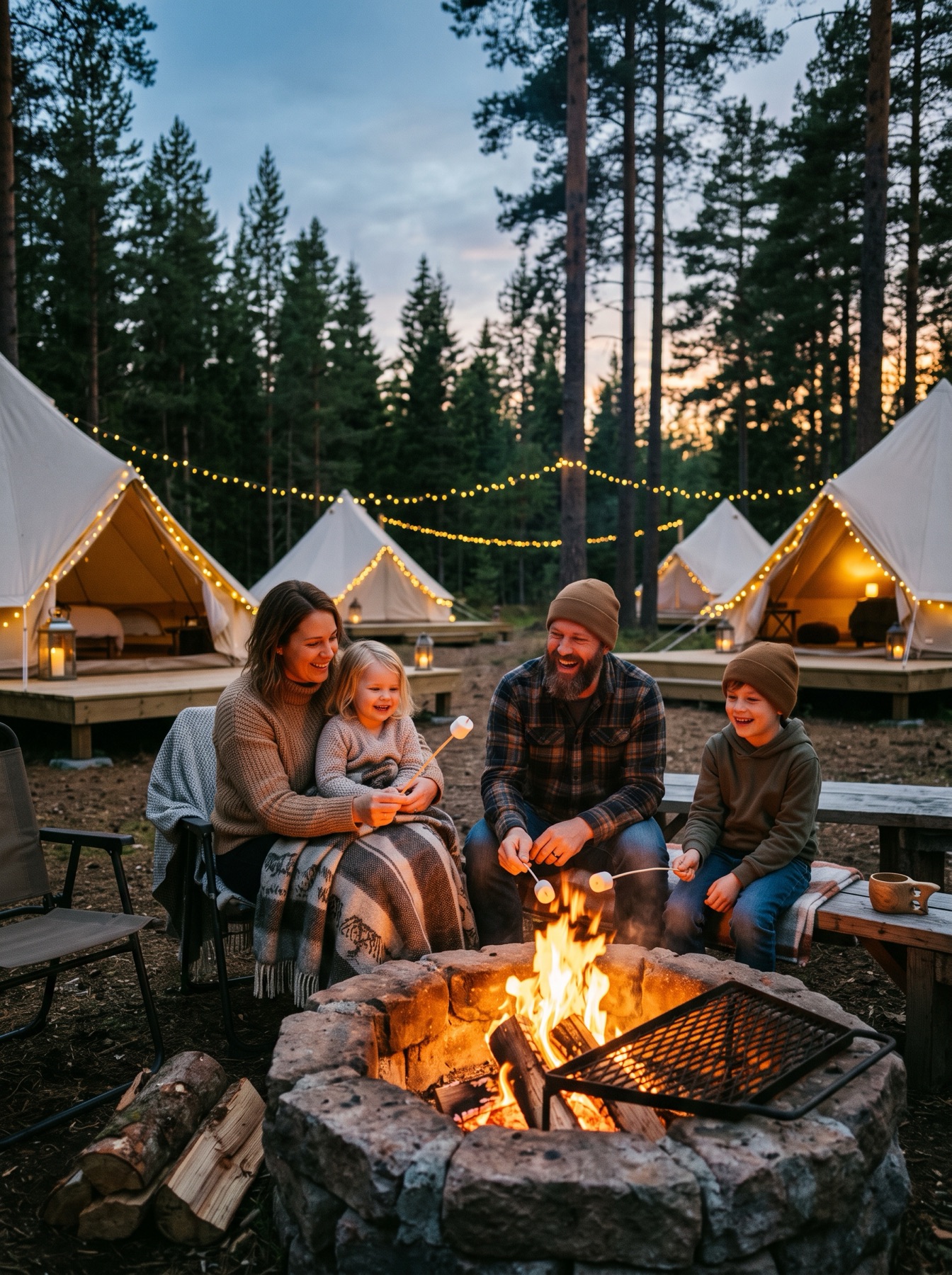
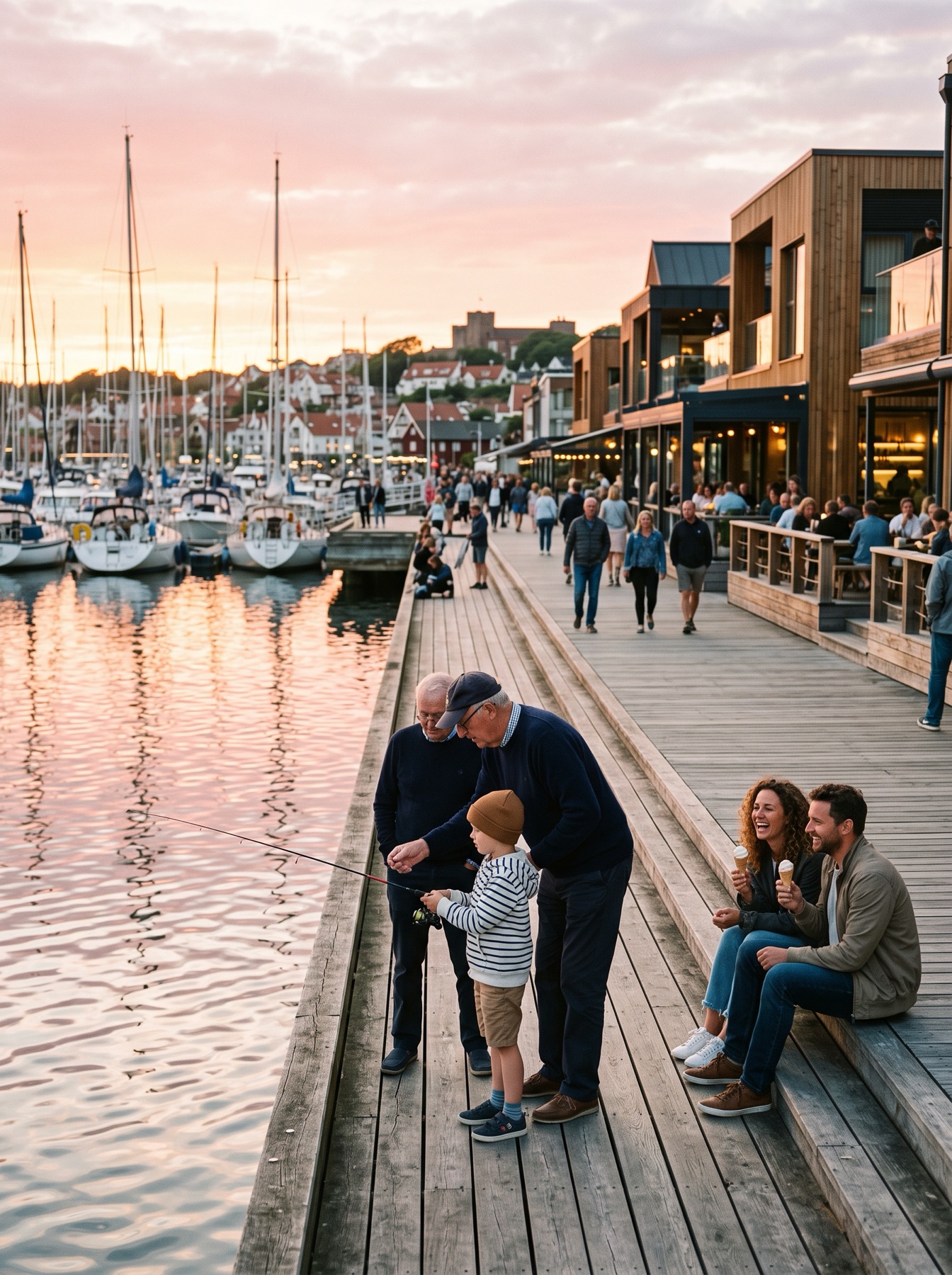
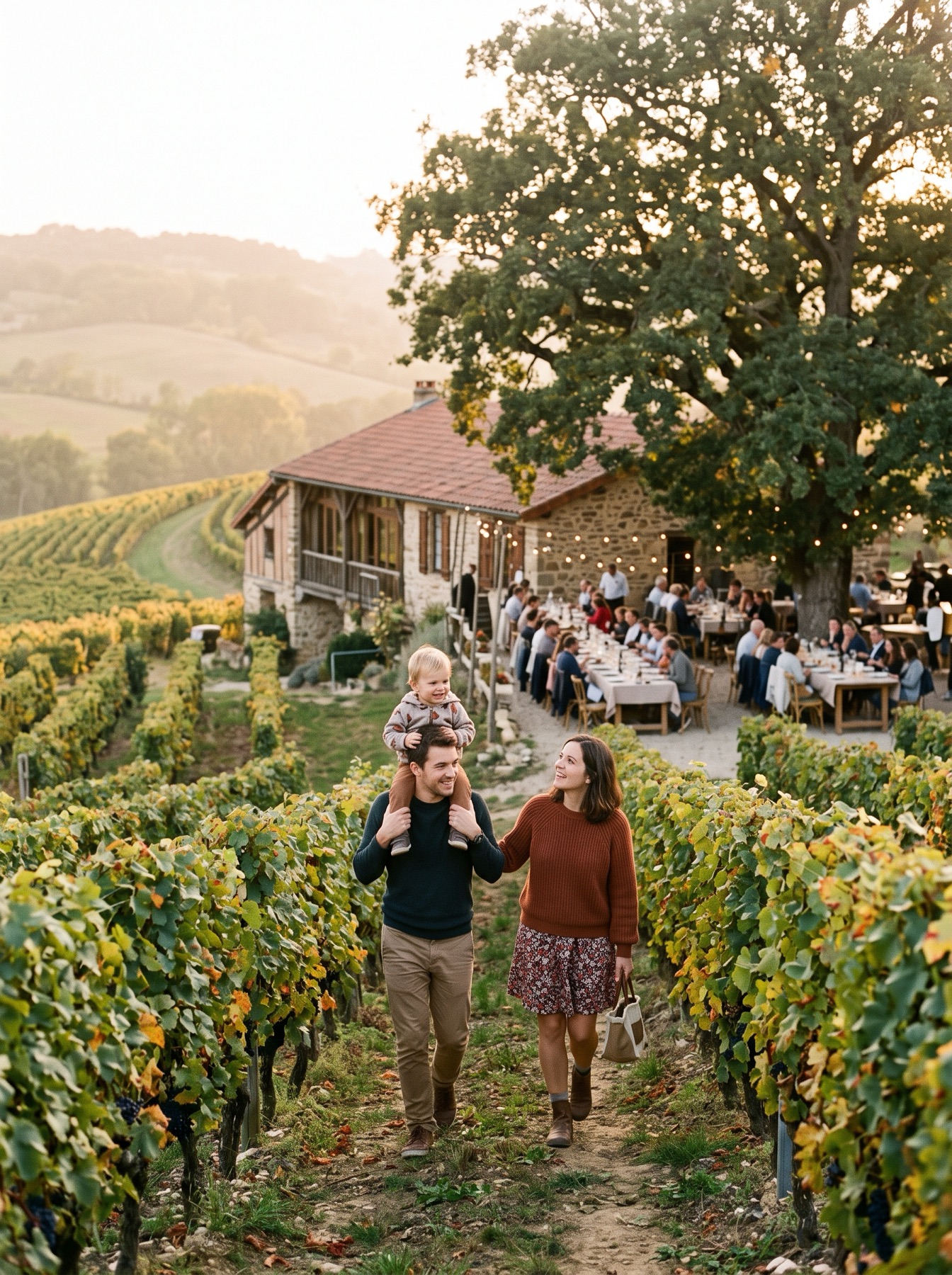
For a residential project, we articulate a reason to choose this apartment, house or community. For a hotel, a reason to visit, book and return. The result goes where decisions happen: advertising, your website, presentations and conversations with your team.
Method
The layers run in order, each one built on the last. A visual world built before the narrative is just pretty pictures — expensive ones.
Diagnosis — two to three weeks · full cycle — six to ten
Your territory, audience and neighbours get read, not guessed at — to find the one thing this place can promise honestly, and the project down the road cannot repeat.
Deliverable: A map of differences, a priority audience, the core promise and the arguments that support it.
The narrative made visible: an identity system, an atmosphere, and a bank of photoreal imagery built around your exact buyer and your architecture. No shoots, no models, no locations.
Deliverable: Art direction, an agreed image set and guidelines for using it in project materials.
The narrative reaches the places where a sale is actually decided: the first screen, the sales-office materials, the way a lead gets qualified on the phone.
Deliverable: Copy and layouts for agreed touchpoints: the website’s opening section, advertising materials and the sales presentation.
Before starting, we agree the deliverables, file formats, approval stages and schedule. We use available project and audience data to assess the concept; interviews and testing are agreed separately when needed.
Every place has a character, the way a person does. The work is not to invent a mask for it — it is to hear its real voice, and to make sure the buyer hears it too.
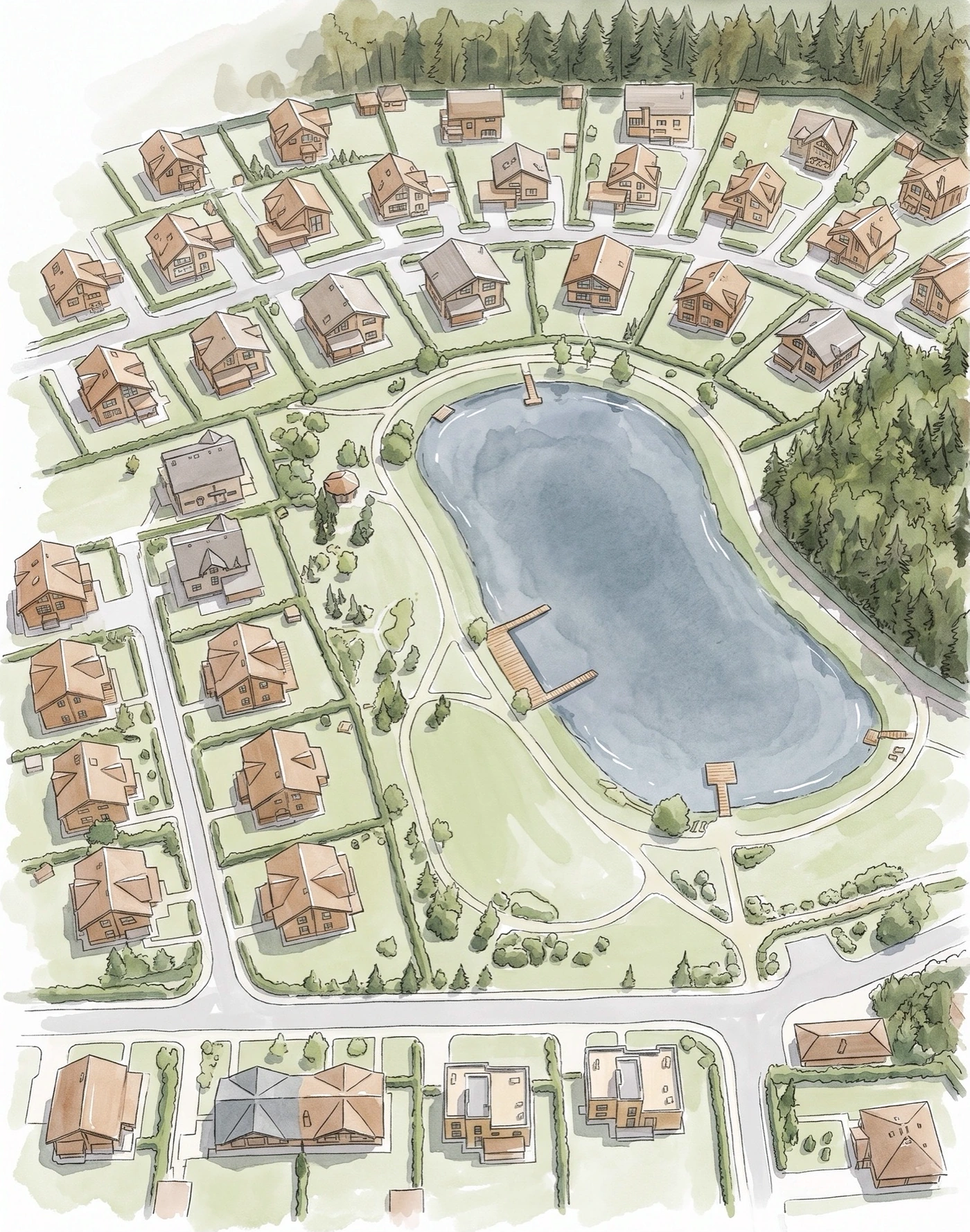
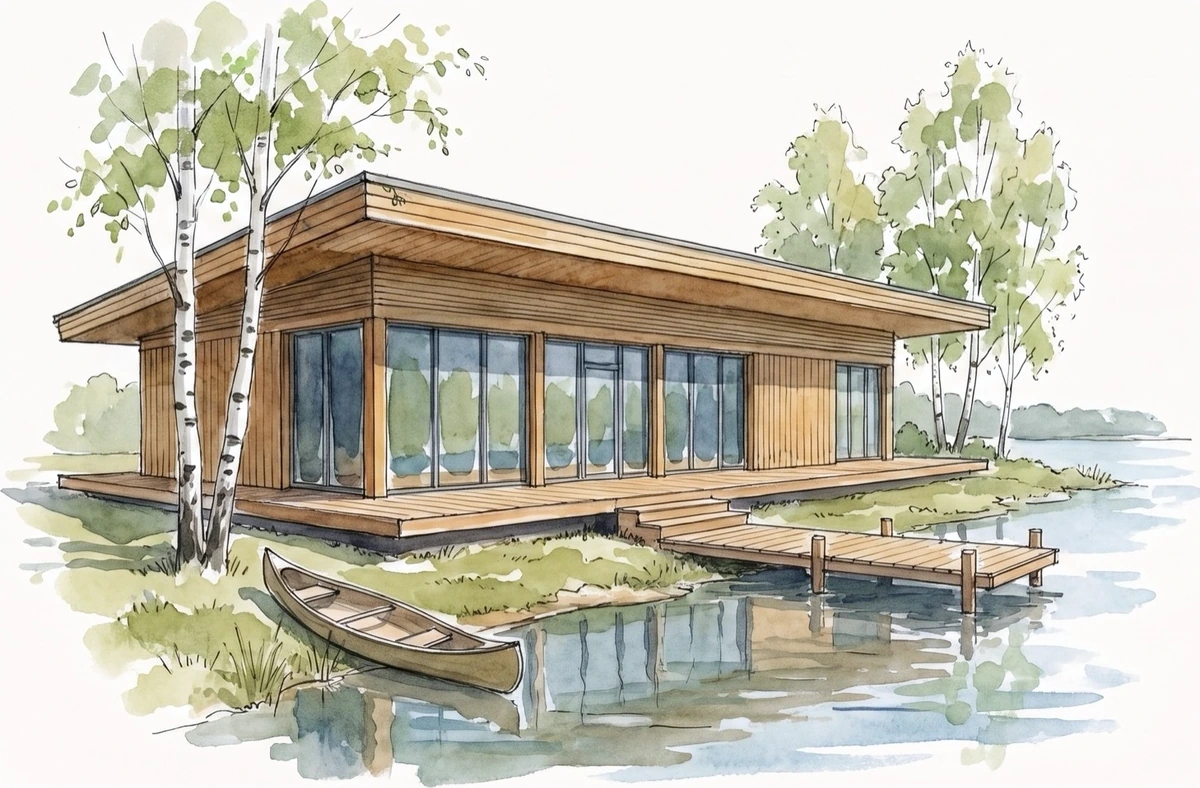
An example of how a place’s features can inform positioning, a two-clubhouse concept and visual direction. Images and scenarios illustrate the proposed idea; implementation and sales results are not claimed.
Author’s concept · demonstration materials
Original territory illustration · conceptual example
How the place was read
Working hypotheses for the concept; these are not findings from buyer research.
Weekdays
40 minutes to the office — people live here all week, not just at weekends.
Mornings
The water is busiest at 7 a.m. The day starts here.
Accelerating
The buyers were couples with young children and two careers
nobody here is retiring — they are accelerating
From escape the noise to recharge at full speed.
The concept combines positioning, visual direction and example materials for a project team.
The reposition, in one line
From escape the noise to recharge at full speed.
What the sales desk left with
The deliverable itself
Fictional concept study
A demonstration of a positioning document. The story and scenarios belong to the author’s concept.
Forty minutes from the office is not a summer house. It is a second address for someone who will be back in the city on Monday morning — and who therefore needs the place to work on a Tuesday, not only in August.
That is why the water here is busiest at seven in the morning, not at seven in the evening. People come to start the day. The place is not an escape from a life; it is the part of that life where the batteries are put back in.
So the settlement stops promising silence. It promises return: you arrive with nothing left and you leave with something. Everything else follows from that sentence — including the fact that one clubhouse was never going to be enough.
A second clubhouse — one for quiet, one for speed
A first screen that no longer opens with the word “comfort”
The sentence the sales desk says on the phone
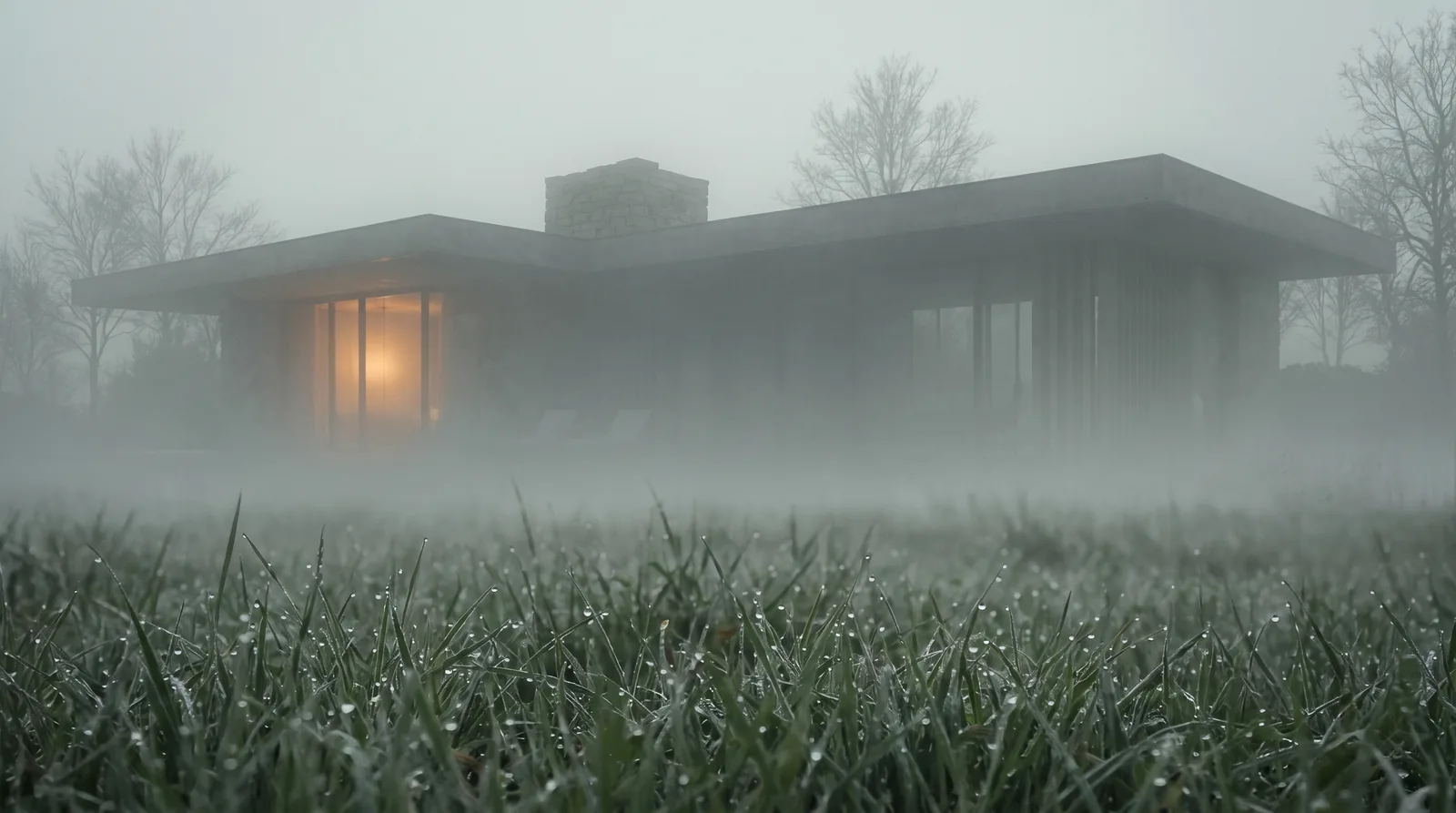
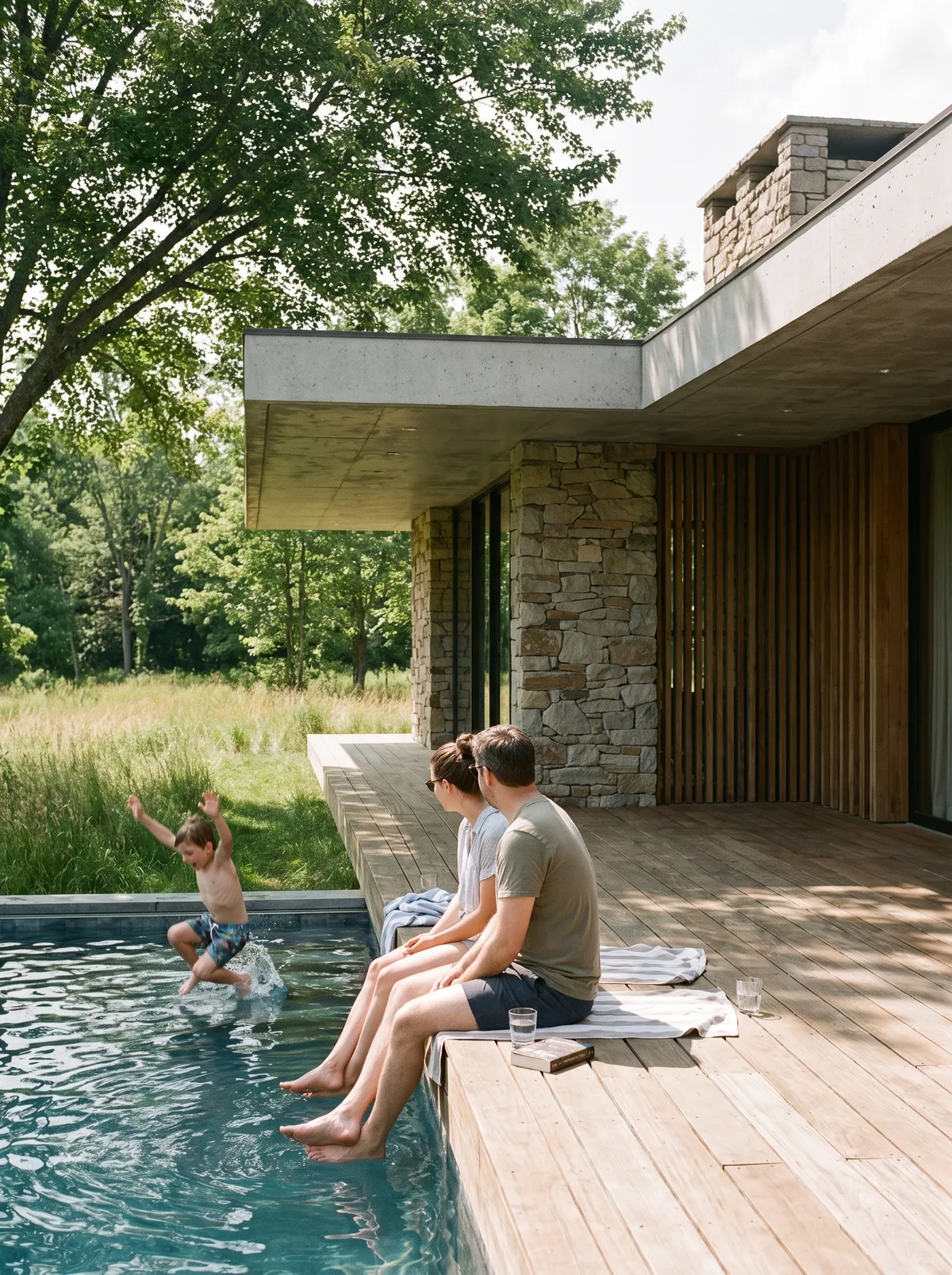
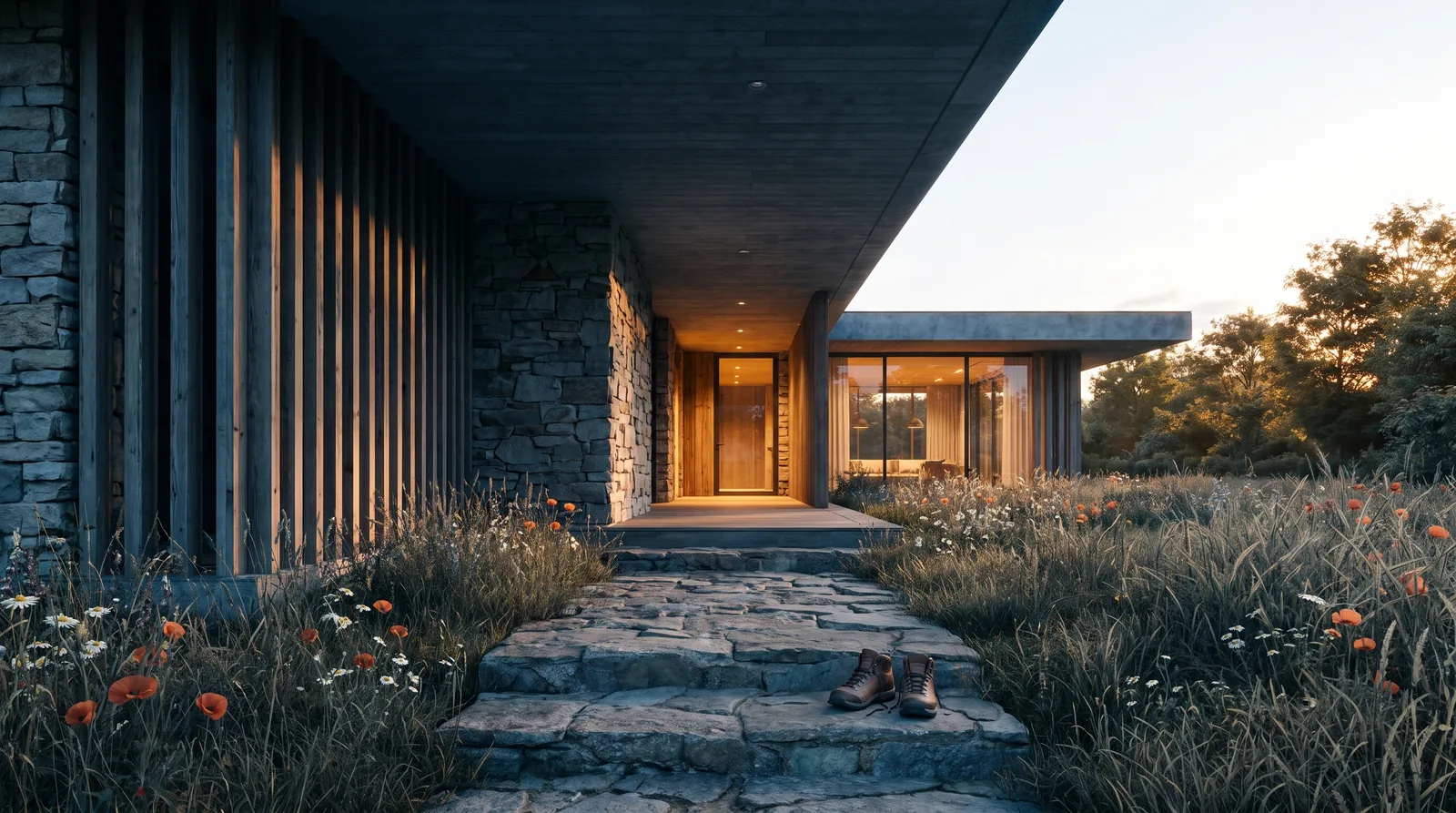
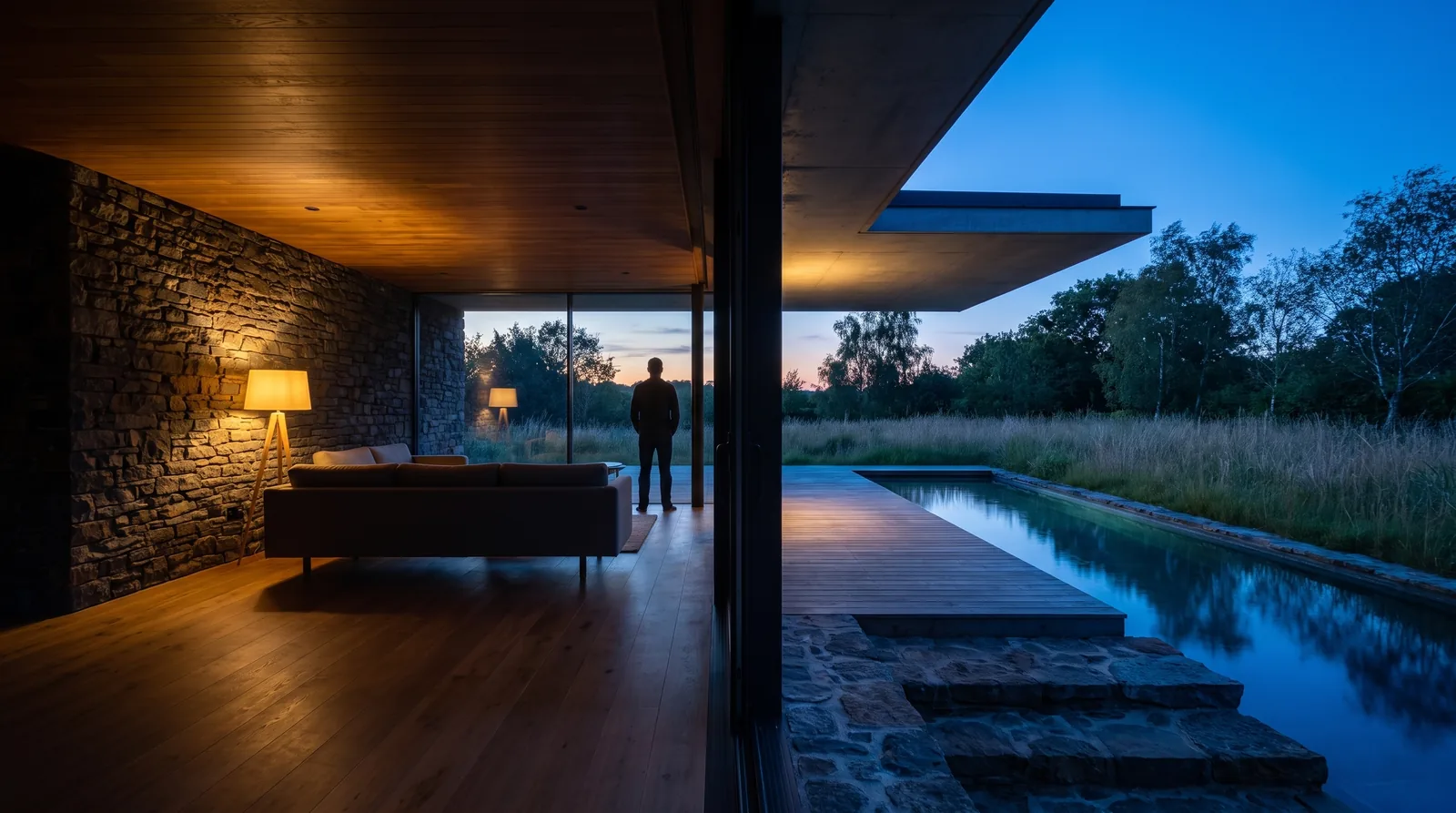
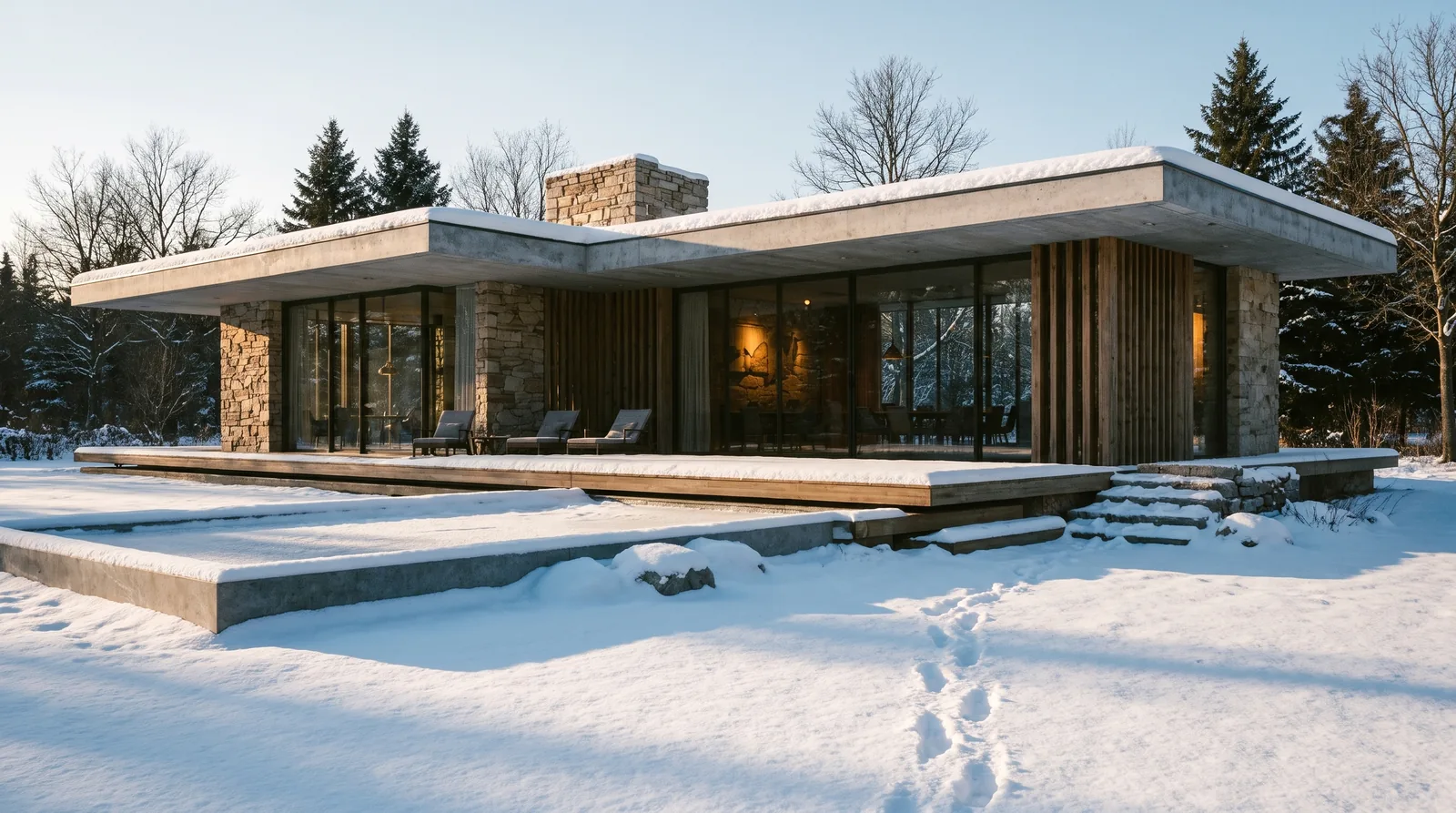
Photorealistic images across seasons and times of day — for your website, ads and print.
Every project can show you this line work. It is honest, it is accurate, and it sells nothing — a buyer cannot stand inside a section drawing. Drag the handle: same house, same camera, same lens. The only thing that changed is that somebody decided which hour it would be remembered at.
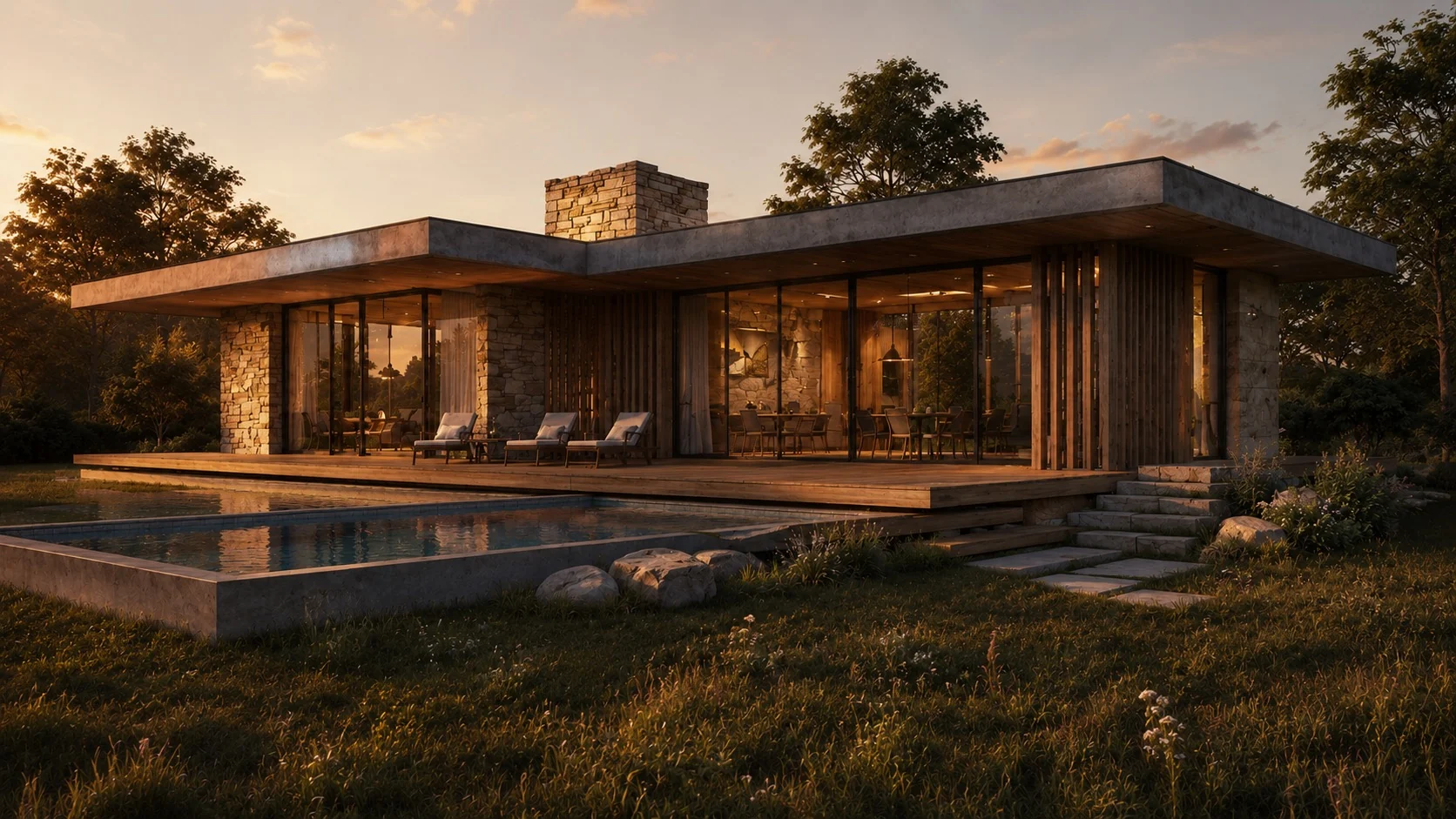
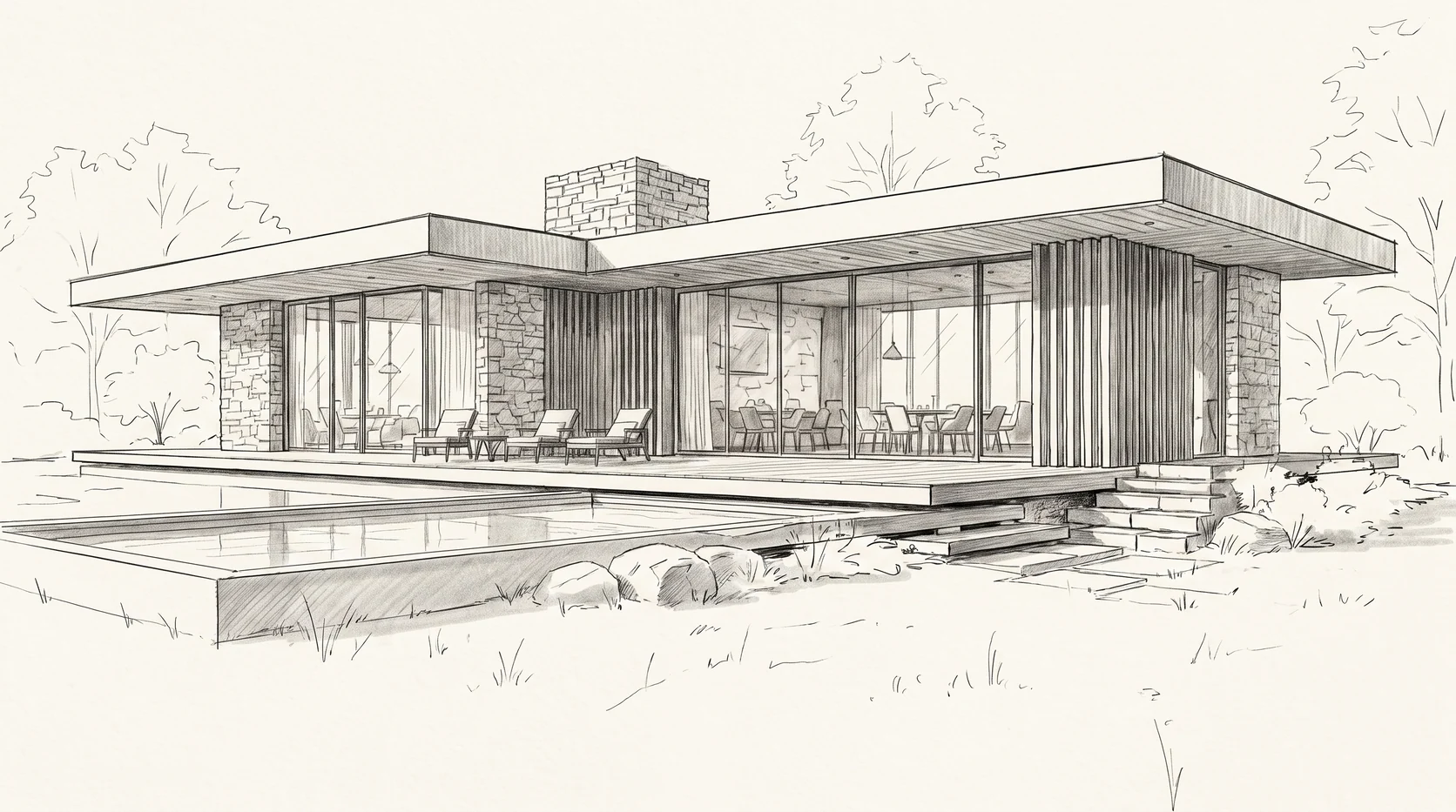
Examples of an original visual concept in different light and seasons. The image library and adaptations are defined in the proposal.
Three ways into the same place, each one deeper than the last. Take the one that fits where your project is today.
Differentiation audit
$3,500
2 weeks
Understand where the project loses differentiation and which changes to make first.
Includes
Positioning
$12,000
2–3 weeks
Define who the project is for, why people will choose it and how to talk about it.
Everything in the audit, and
The idea comes first: the imagery, the website and the sales conversation are all built on it.
Take this oneTake this oneFull cycle
$35,000
6–10 weeks
Turn positioning into a visual system and agreed materials for advertising, the website and the sales team.
Everything in the narrative, and
Non-standard territories — resorts, master plans, phased releases — are quoted separately.
And after that
Ongoing support
$2,500per month · minimum six months
Develop project materials according to an agreed monthly plan.
Discuss ongoing supportThe proposal specifies quantities, formats, revision rounds and deadlines. Media buying, advertising account management and technical website development are agreed separately.
One-off projects: 50% before work starts, 50% after approval of the final materials. Ongoing support: monthly payment in advance, minimum six months. File and rights transfer are defined in the contract.
For a new residential phase, one apartment type, a hotel season or a specific offer. We choose one task and one audience, develop the idea and prepare launch materials.
Scope, cost and timing are agreed after a short discussion. A campaign can be commissioned separately from full branding.
For hotels and glamping there is a short format, Guest Journey: we review the guest's path frame by frame and give 10 prioritised fixes.
Discuss a campaignSend a project link and a few lines about the task. A full brief is not required; we will review the available information about the place and audience.
Depending on the format: audit findings, positioning or a visual system and touchpoint materials. Quantities, formats and revision rounds are specified in the proposal.
Audit: two weeks. Positioning: two to three. Full cycle: six to ten. We agree the schedule and approval stages before starting.
Yes, under my art direction. Visual concepts are labelled as illustrations. Source materials and accuracy to the real architecture are agreed for each project.
Your team receives the materials and usage guidelines. Source file and rights transfer are defined in the contract. Your team can use the result independently.
I work alongside your team or agency, developing positioning, a concept and visual direction. We agree roles, deliverables and approval stages before starting.
My responsibility is positioning, the concept and agreed materials. Sales also depend on price, product, traffic and your team. Before starting, we agree what changes to track and what data is available.
Yes, with a standalone audit or a campaign for a single offer. Your team can use the result independently of further collaboration.
I publish collaboration materials and client results only within an agreed scope. Confidentiality and presentation terms are defined before the project starts.

Twenty years in visual communications: branding, photography, art direction. Work with development, event and television projects in Russia and abroad.
Since 2024, this practice has combined place strategy with AI-native production: brand-strategist thinking, a photographer’s eye, and production at the speed of the tools — for you, that means agency-level thinking without agency overhead.
Brainmade Lab is the studio. Genesis Territory is the method inside it — the repeatable way a place gets read, named, and made to sell, project after project.
A place cannot be invented. It can only be read correctly — and then said out loud in a way nobody nearby is able to repeat.
Send a link and a few lines about your goal: a launch, a refresh, a single campaign or hotel promotion. Within two working days I'll rewrite the first screen of your website using your own words and your guests' or buyers'.
Free. No obligation to commission a project.
Brainmade Lab · Genesis Territory method · Maxim Bagaev
hello@brainmadelab.com · LinkedIn
© 2026 · Visuals produced with AI tools under the author’s art direction